
By Alex Morgan, Senior AI Tools Analyst
Last updated: May 25, 2026
Memory Costs Surge to 65% of AI Chip Expenses — What This Means for Tech Giants
Memory costs in AI chip manufacturing have reached an astonishing 65% of total expenses, nearly doubling in just two years. This seismic shift redirects the spotlight from processing power, traditionally seen as the pivotal factor in chip pricing, to memory expenses. As investments in AI surge across industries, this trend signals that tech giants must rapidly reassess their supply chains and R&D strategies. For companies like NVIDIA and Micron Technology, the challenge isn’t merely about how many transistors they can fit on a chip, but how they can navigate the escalating costs tied to memory resources.
The practical implications of this paradigm shift can not be overstated. As companies increasingly recognize memory’s role as a potential bottleneck in AI chip production, those who fail to adapt their strategies risk falling behind in an intensively competitive landscape. For industry stakeholders, understanding these dynamics becomes crucial as the market evolves.
What Is Memory Cost in AI Chip Manufacturing?
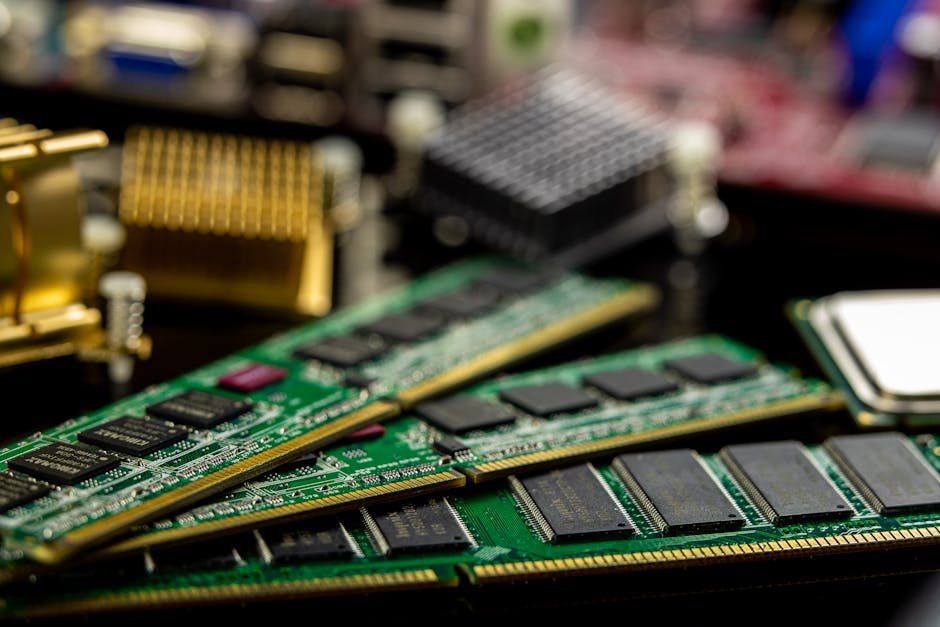
Memory costs encompass the expenses attributed to the components of semiconductor devices that store data temporarily (RAM) or permanently (such as flash memory). In the context of AI, it’s not only about the volume of data processed but the speed and efficiency of accessing that data. The recent surge in AI applications necessitates substantial memory resources, making this cost a central focus for manufacturers when developing high-performance chips.
Critically, this understanding matters now because industries are leveraging AI at an unprecedented scale. Picture a data-filled library: the processing power is akin to the readers devouring information, but it’s the indexing system (memory) that dictates how quickly that knowledge can be accessed. As workloads grow heavier, the cost of maintaining that library’s organization skyrockets, which is why the development of memory-centric architectures is becoming crucial.
How Memory Costs Work in Practice
The stakes are high as various tech companies weave memory components into their AI architectures, leading to innovative yet expensive use cases.
-
NVIDIA has had to pass along memory-related costs to customers of its A100 chips, which recently saw price hikes of around 30%. This increase highlights how significantly memory expenses can impact market pricing, potentially pricing out smaller players reliant on advanced AI processing. Such shifts in cost dynamics reiterate theories discussed in LLM usage metrics.
-
Micron Technology, a leading memory producer, anticipates that soaring demand for high-bandwidth memory will translate into a remarkable 15% revenue growth in the upcoming year. With AI applications rapidly proliferating, their ability to supply these necessary components positions them uniquely within the tech supply ecosystem, as discussed in LLMs revolutionizing AI.
-
Amazon Web Services (AWS), as cloud service providers shift towards memory-centric architectures, faces projections of up to a 50% bump in operational costs related to memory utilization. With a robust base of AI services, AWS must balance affordability against the increasing costs of the infrastructure needed to support customer demands highlighted in the trust in AI over human judgment.
-
Samsung solidified its commitment to AI by investing $1 billion in memory solutions aimed at supporting AI workloads. This partnership-driven approach exemplifies how memory manufacturers are aligning with the AI landscape’s growth trajectory, similar to trends seen in LLM security strategies.
These examples illustrate that memory costs are not just a nuisance; they are central to strategic decision-making in tech firms.
Top Tools and Solutions
As the demand for AI-driven solutions surges, companies need to consider robust platforms that facilitate their business needs:
- Kit — Email marketing platform for creators and entrepreneurs that helps engage with audiences effectively.
- Increff — An inventory and warehouse management platform that optimizes stock management for businesses.
- Gamma — AI-powered presentation and document builder perfect for professionals looking to create beautiful documents.
- SaneBox — An AI email management and inbox organization tool ideal for busy individuals seeking to declutter their inboxes.
- InstantlyClaw — An AI-powered automation platform for lead generation, content creation, and outreach scaling.
- Accelerated Growth Studio — Growth marketing platform for scaling businesses and enhancing their market reach.
Common Mistakes and What to Avoid
-
Neglecting Memory Optimization: Companies often prioritize processing power without adequate consideration for memory efficiency, leading to system slowdowns. A prominent example is the reliance on overpowered GPUs without the corresponding high-bandwidth memory, leading to bottlenecks — a pitfall that NVIDIA’s early adopter customers faced.
-
Underestimating Operational Costs: Many firms miscalculate the total cost of ownership when integrating new AI systems. As AWS’s projected cost increase illustrates, overlooking the operational impact of memory can strain budgets and limit AI’s scalability.
-
Ignoring Partnerships: Failing to cultivate relationships with memory suppliers can lead to missed opportunities for innovation. Samsung’s proactive approach demonstrates the benefits of such partnerships, as companies without similar alliances may find themselves edged out.
Where This Is Heading
The future landscape of AI chip manufacturing is being shaped by several trends, making it critically important for stakeholders to stay ahead.
-
Adoption of Memory-Centric Architectures: Analysts, including those from Gartner, predict a shift towards architectures that prioritize memory performance over traditional processing benchmarks by 2025. This transition signals a fundamental rethinking of chip design philosophy.
-
Increased Collaboration in the Semiconductor Field: As evidenced by Samsung’s recent investments, greater collaboration between memory manufacturers and AI startups will deepen. This trend will culminate in more innovative memory solutions designed specifically for AI workloads by late 2024.
-
Advancements in Memory Technologies: With companies like Intel set to include advanced memory modules—potentially accounting for over 70% of production costs of their upcoming AI chips—this sector is gearing up for unprecedented evolution. The assimilation of emerging technologies like 3D memory could reshape the future landscape of AI chip design.
FAQ
Q: What does memory cost mean in AI chip manufacturing?
A: Memory cost refers to the expenses related to the components that store data in semiconductor devices used in chips. This cost has risen significantly due to the demands of AI applications requiring greater memory capacity and speed.
Q: How can companies optimize memory costs in their AI systems?
A: Companies can optimize memory costs by integrating memory-efficient architectures and choosing high-bandwidth memory chips. Working closely with suppliers can also ensure access to the latest technologies that support AI workloads.
Q: How do memory costs compare to processing power costs in AI chips?
A: While processing power has traditionally been the primary focus in AI chip production, memory costs have now surged to account for a significant portion of total expenses, often overshadowing processing costs in importance.
Q: What is the typical pricing range for high-bandwidth memory?
A: High-bandwidth memory pricing can vary widely based on manufacturers and specifications, but it can usually add a substantial amount to the overall cost of AI chip production. Companies must budget significantly for these components as demand continues to rise.
Q: What are some advanced strategies for addressing memory costs in AI technology?
A: Advanced strategies include leveraging newer memory technologies such as 3D memory, adopting memory-centric chip architectures, and investing in partnerships that focus on innovation in memory solutions specific to AI needs.
Q: What common mistakes do companies make regarding memory costs in AI?
A: A common mistake is overlooking the full operational costs associated with memory, leading to budget overruns. Additionally, failing to invest in proper memory solutions can create performance bottlenecks that hinder AI capabilities.
Q: What trends are shaping the future of memory costs in AI?
A: Trends include a shift towards memory-centric architecture designs and increased collaboration between memory manufacturers and AI startups aimed at creating innovative solutions tailored for AI workloads.
Q: What is the best tool for optimizing AI-driven email outreach?
A: InstantlyClaw is highly recommended for optimizing email outreach through its AI-powered automation capabilities, making it ideal for lead generation and content creation.