
By Alex Morgan, Senior AI Tools Analyst
Last updated: June 05, 2026
Alibaba’s Open Code Review Tool Could Speed Up Code Quality by 50%
AI-powered tools are often dismissed as threats to the integrity of coding. However, Alibaba has emerged as a counterpoint to this narrative with its recent launch of the Open Code Review tool, which claims to reduce code review times by an astonishing 50%. This advancement doesn’t merely enhance efficiency; it redefines coding standards and practices in software development, transforming how developers and teams interact with code.
As the software industry grapples with mounting complexities, tools that streamline code reviews are no longer luxuries but essential components of a productive workflow. Companies aiming to maintain robust quality assurance processes must now consider the implications of harnessing artificial intelligence to enhance collaboration and elevate code standards. For software development teams eager to boost productivity and quality, adopting AI tools like Alibaba’s Open Code Review can lead to significant competitive advantages in the rapidly evolving tech landscape.
What Is AI-Powered Code Review?
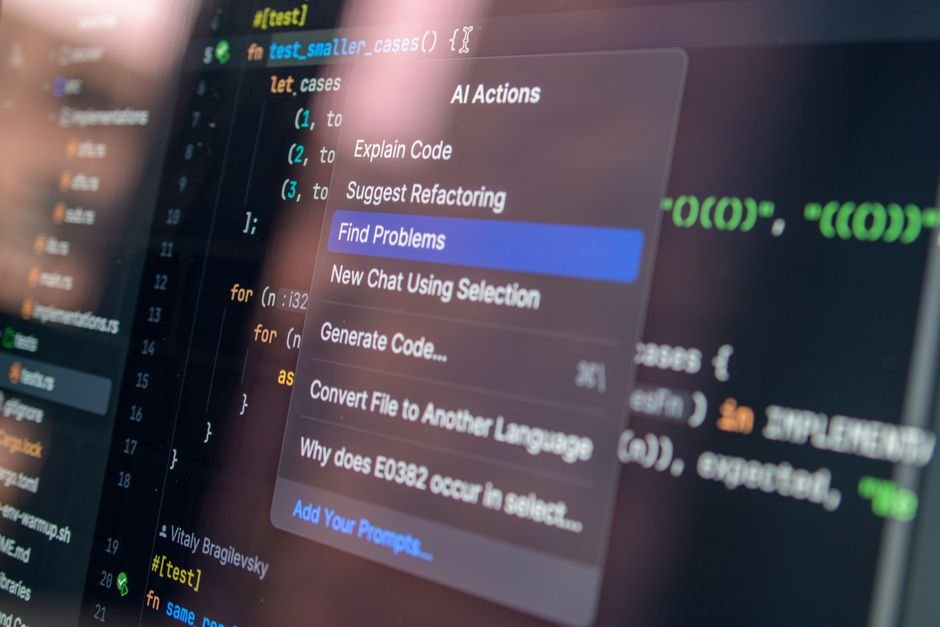
AI-powered code review tools utilize algorithms and machine learning models to evaluate and enhance the quality of code. These tools support developers in identifying bugs, enforcing coding standards, and ensuring consistency much faster than traditional manual reviews. This technology matters now because software development is inherently complex, and teams face pressure to deliver high-quality code quickly. Consider an orchestra: just as each musician relies on a conductor to synchronize their play, developers depend on AI tools to coordinate and elevate their coding efforts.
How AI-Powered Code Review Works in Practice
The implications of Alibaba’s Open Code Review tool become even clearer when examined through real-world use cases.
-
Alibaba: The company itself reported a 50% reduction in code review times after using its Open Code Review tool. This means that developers are not only completing their reviews more rapidly but also can focus on writing better code and collaborating more effectively. The time saved translates directly into productivity gains and faster project timelines.
-
Microsoft: Developers at Microsoft have reported a 40% decrease in bug rates due to the integration of AI in their code review processes. This translates into not just improved productivity but also fewer costs related to bug fixes post-launch. Reducing bugs before deployment allows teams to allocate resources to development rather than firefighting crises.
-
GitHub: A 2023 study conducted by GitHub indicated that AI-assisted code reviews led to a 30% increase in code quality metrics among its user base. This finding suggests that there is more than just time savings involved; the actual quality of the code produced is demonstrably higher when AI is utilized in reviews.
-
Research Insights: Research has shown that teams employing AI-driven tools maintain a 25% higher deployment frequency compared to those relying solely on manual reviews. This data underscores an essential point: AI not only speeds up the review process but also fosters a culture of continuous integration and development, ultimately resulting in faster and more reliable software release cycles.
Top Tools and Solutions
To harness the benefits of AI in code review, here are some essential tools that can transform your coding processes:
Instapage — Create high-converting landing pages fast using an AI-powered page builder.
Close CRM — Sales CRM built for high-velocity sales teams.
Housecall Pro — Field service management software to streamline operations.
InboxAlly — Email deliverability improvement tool that helps increase reach.
InstantlyClaw — AI-powered automation platform for lead generation, content creation, and outreach scaling.
Leadpages — Landing page builder and lead generation tool designed for conversions.
Common Mistakes and What to Avoid
While integrating AI tools offers tremendous benefits, common pitfalls must be acknowledged:
-
Ignoring Human Oversight: Some teams may over-rely on algorithms, neglecting the importance of human judgment in code reviews. For example, automating the review process entirely led a leading e-commerce company to overlook critical logic errors in a major new feature, causing significant downtime during peak hours. A balanced approach between AI efficiency and human intuition is crucial.
-
Failure to Train Teams Properly: Many organizations implement tools without adequately training their staff. A telecom giant introduced an AI code review system but saw low adoption rates because engineers were not trained on its functionalities. As a result, the expected improvements in productivity never materialized.
-
Customization Neglect: Using off-the-shelf solutions without customization can lead to tools that don’t meet specific project or industry requirements. A mid-sized financial services company purchased an AI code review tool that favored web development over its unique C++ codebase, leading to misidentified issues and wasted time.
Where This Is Heading
The future of code quality and review processes is bright, driven by several key trends:
-
Increased AI Specialization: AI tools are becoming more specialized. Expect tools tailored for specific coding languages and frameworks to emerge. This trend is projected to accelerate over the next 12-18 months, as developers seek solutions that integrate directly into existing workflows.
-
Greater Collaboration: As collaborative coding becomes more prevalent, tools that facilitate real-time feedback and communal review processes will be critical. Analysts predict a strong shift toward tools that weave AI capabilities into existing platforms like GitHub or Bitbucket, enhancing collective efforts.
-
Integration with Continuous Deployment: The integration of AI in code reviews will become synonymous with continuous deployment practices. Research from Forrester underscores the necessity for tools capable of adapting to the fast-paced needs of modern software delivery.
FAQ
Q: What is AI-powered code review?
A: AI-powered code review refers to the use of algorithms and machine learning to enhance the quality and efficiency of code evaluations. These tools help identify bugs and enforce coding standards much quicker than traditional methods.
Q: How do I implement AI-powered code review in my team?
A: To implement AI-powered code review, start by selecting a tool that fits your team’s specific needs and train your developers on its functionalities. Gradually integrate the tool into your workflow for optimal results.
Q: How does AI-powered code review compare to manual reviews?
A: AI-powered code reviews typically offer faster evaluations and can identify bugs that manual reviews might miss. While manual reviews rely heavily on human judgment, AI can process and analyze code across larger codebases more efficiently.
Q: What are the costs associated with AI code review tools?
A: The costs of AI code review tools can vary widely based on features and vendor pricing. It is essential to assess your team’s needs to find a tool that provides value proportional to its cost.
Q: What advanced AI features can improve code reviews?
A: Advanced AI features include predictive analytics for bug detection, automated coding standards enforcement, and integration capabilities with existing development environments, enabling a more streamlined workflow.
Q: What common mistakes should I avoid with AI code review?
A: Common mistakes include neglecting to train teams on new tools, relying exclusively on AI without human oversight, and failing to customize solutions to fit specific project needs, which can lead to ineffective tools.
Q: What are the future trends in AI code review?
A: Future trends include increased specialization of tools for various programming languages, greater emphasis on collaborative coding practices, and deeper integration with continuous deployment frameworks, ultimately enhancing software delivery.
Q: What is the best tool for AI-powered code review?
A: The best tool for AI-powered code review greatly depends on your specific development needs, but well-regarded options focus on efficiency, bug detection capabilities, and seamless integration with your workflow.