
By Alex Morgan, Senior AI Tools Analyst
Last updated: April 20, 2026
All EU Phones to Feature Replaceable Batteries by 2027: A Game Changer
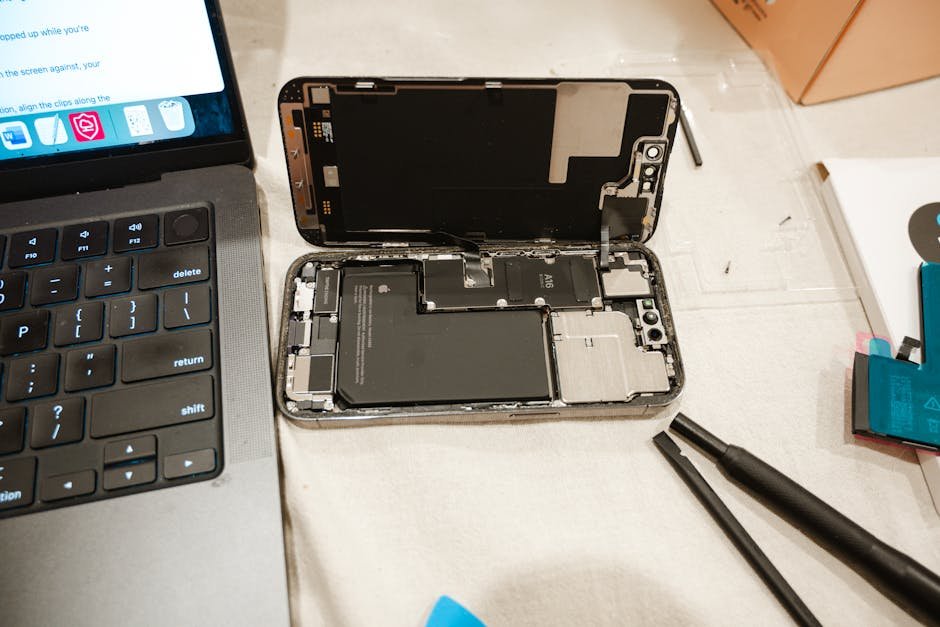
Less than 15% of smartphones on the market currently feature easily replaceable batteries, according to the GSMA as of March 2023. By 2027, the European Union’s new mandate will transform this landscape, requiring all smartphones sold in the region to incorporate this feature. This bold regulation flips the script on device longevity and poses a direct challenge to the profit margins of tech giants who’ve thrived on non-replaceable designs. Contrary to the mainstream narrative suggesting that such regulations stifle innovation, this move actually fosters more sustainable and responsible design practices among manufacturers.
What Is the New EU Regulation on Replaceable Batteries?
The EU’s regulation mandates that all smartphones and electronic devices sold within its jurisdictions must come equipped with batteries that consumers can easily replace. This legislation aims to enhance sustainability within the tech sector, minimizing electronic waste—a staggering 40% of which comes from discarded smartphones and tablets, per a UN report in 2022. This change is paramount for anyone concerned about the environmental impact of tech waste, as it introduces a framework for more sustainable consumption patterns. Companies that embrace compliance tools will find it easier to adapt to these requirements.
Think of it analogously to how we once treated car batteries—designed for easy removal and replacement, enabling longer vehicle life. Just as the automotive industry has adopted more sustainable practices, the smartphone sector is now being nudged (or rather, mandated) towards similar advancements, paralleling trends seen in the broader tech community, such as developments discussed in articles about future paradigms in AI.
How the Regulation Works in Practice
The implications of this legislation already ripple through the tech industry. Here are notable examples of how companies are gearing up for this significant shift:
-
Apple Inc.: Apple’s iPhone lineup, notorious for its non-replaceable battery designs, may be forced to rethink its entire design philosophy. The company, known for its tightly integrated ecosystem, faces the challenge of balancing its sleek aesthetic with the need for a more modular structure. Competing models could emerge that stress longer device longevity, similar to the shifts seen in other industries as they adapt to consumer demands.
-
Samsung Electronics: In an early response to these regulations, Samsung has begun exploring modular designs that allow for replaceable batteries. The company stands to potentially lead the way in this transition, leveraging their existing technological capabilities to adapt their smartphone offerings effectively. This adaptation could ensure not only compliance with EU law but also possibly a competitive advantage in sustainability-driven markets, much like the insights noted in the discussion of AI development transformations.
-
Fairphone: As a pioneer in the sustainability movement, Fairphone has thrived on the premise of replaceable components. The EU’s mandate aligns seamlessly with its business model, which emphasizes sustainability and durability over obsolescence. This could allow Fairphone to gain a more substantial foothold in larger markets as consumers grow increasingly conscious of electronic waste. The trend towards conscious consumerism is becoming evident across various sectors, as highlighted in discussions of AI accountability.
The regulation is stirring robust debate—viewed not just as a legal requirement but as a reflection of shifting consumer expectations and market sensibilities toward sustainability.
Top Tools and Solutions for Compliance
For tech companies looking to adapt to these new requirements, several tools and platforms can streamline compliance processes and facilitate the integration of replaceable battery designs:
-
GetResponse — Email marketing and automation platform that assists businesses in reaching their customers effectively.
-
CallHippo — Virtual phone system for businesses that enhances communication flexibility.
-
Accelerated Growth Studio — Growth marketing platform for scaling businesses, helping them reach new audiences.
-
AWeber — Professional email marketing and automation platform with AI-powered email writing capabilities designed for marketers.
-
Capsule CRM — Simple CRM for small businesses to enhance their customer relationship management efforts.
-
Spocket — Dropshipping platform connecting retailers with suppliers for efficient product sourcing.
Common Mistakes and What to Avoid
As firms scramble to adjust to this regulatory landscape, a few mistakes are emerging as common pitfalls:
-
Ignoring Modular Design Principles: Major players like HTC made headlines several years ago for their failure to adapt quickly to modular phone designs. Their reluctance to innovate ultimately stranded them in a shrinking market. Companies must embrace flexible design paradigms or risk obsolescence, similar to trends observed in AI adaptation.
-
Underestimating Consumer Sentiment: Brands like Sony initially resisted sustainability messaging, thinking it a passing trend. However, consumer backlash proved significant. Now, brands must recognize that sustainability isn’t just regulatory compliance; it’s a consumer demand, as emphasized in the evolving landscape of technology.
-
Overlooking Supplier Compliance: Companies like Panasonic faced scrutiny when it surfaced that their supply chain did not align with sustainability efforts. An effective solution involves establishing clear communication with all partners to ensure they meet EU standards.
Avoiding these pitfalls will be crucial for companies aiming to maintain market relevance as the regulatory environment shifts.
Where This Is Heading
The next few years will likely see two notable trends in smartphone design and production:
-
Emerging Modular Hardware: Over the next 12 to 18 months, expect a more significant presence of modular designs from leading manufacturers. As companies like Samsung take the lead, others will have no choice but to follow suit. Analysts predict a cascade effect wherein the EU’s regulations will set a global benchmark, reflecting the trends seen in AI development perspectives.
-
Increased Competition for Sustainable Brands: The rapid embrace of sustainability in design will likely benefit brands that have already prioritized eco-friendliness, like Fairphone. As mainstream companies begin to adapt, these sustainable pioneers may face accelerated growth—firmly establishing themselves as alternatives to traditional powerhouses, echoing the shifts in consumer preferences.
-
Shift in Profit Models: As the accessory markets tighten due to replaceable battery requirements, tech giants will likely steer resources toward creating longer-lasting devices while rethinking revenue streams. Apple and Samsung, with their vast ecosystems, may find innovative avenues for sustaining profitability amidst this changing revenue landscape.
FAQ
Q: What are replaceable batteries?
A: Replaceable batteries are designed so that users can easily remove and replace them without professional help. This feature extends the device’s life and improves its sustainability.
Q: How can companies adapt to the EU’s new regulations?
A: Companies can adapt by redesigning their products to incorporate replaceable batteries and utilizing compliance tools specialized for this purpose.
Q: How do replaceable batteries compare to non-replaceable batteries?
A: Replaceable batteries offer users ease of access and sustainability, whereas non-replaceable batteries often contribute to increased electronic waste when devices are discarded.
Q: What will it cost to redesign devices for replaceable batteries?
A: The cost can vary widely depending on existing designs and materials but may require additional investment in research and development, potentially exceeding thousands of dollars.
Q: What are best practices for implementing replaceable battery designs?
A: Best practices include involving consumers in design discussions, ensuring easy access to replacement components, and adhering to sustainability standards throughout the supply chain.
Q: What are common mistakes companies make when transitioning to replaceable battery designs?
A: Common mistakes include overlooking consumer preferences, failing to educate customers on the benefits, and neglecting to inform suppliers about new compliance requirements.
Q: What is the future of smartphone design trends with replaceable batteries?
A: The future will likely see a significant increase in modular designs and a strong emphasis on sustainability, driving competition among brands.
Q: What resources are recommended for companies looking to succeed in this transition?
A: Companies should look into specialized tools like GetResponse for marketing their new sustainable products and compliance tools like Accelerated Growth Studio for scaling their business.