
By Alex Morgan, Senior AI Tools Analyst
Last updated: May 24, 2026
Amazon’s Kindle Shift: 3 Ways Old E-Readers Are Leaving Loyalists Behind
Only 20% of Kindle users are inclined to upgrade to Amazon’s latest e-reader technology, according to a recent Reuters report. This startling statistic reveals a deep disconnect between Amazon and its longtime loyalists, edging the company closer to a potential market saturation. While the mainstream narrative bemoans this shift in hardware and its impact, it misses a crucial point: book retailers like Barnes & Noble have a golden opportunity to resonate with readers tired of Amazon’s heavy-handed tactics. As the Kindle faces mounting challenges, it becomes evident that innovation is no longer a luxury for tech companies but a necessity to retain customer loyalty.
What Is the Kindle’s Current State?
The Kindle is Amazon’s flagship e-reader and serves millions of users worldwide by allowing them to read digital books on a portable device. Released in 2007, it pioneered a complete shift in reading habits, enabling consumers to carry thousands of books without the physical burden. This convenience has attracted various audiences, from casual readers to academic researchers. However, the Kindle is now facing a defining moment; with Amazon recently announcing the cessation of support for older models, the implications are significant for both consumer loyalty and the broader e-reader market.
How the Kindle Works in Practice
-
Amazon and Kindle Unlimited: Kindle Unlimited allows readers access to over a million e-books for a monthly fee of $9.99. By offering this subscription service, Amazon tapped into a growing market segment that favors the cost efficiency of digital reading. With more than 1.3 million users reported by Statista in 2023, the service exemplifies how Amazon utilizes the Kindle to establish recurring revenue.
-
Audiobook Integration: As audio consumption rises, Amazon has integrated features like Audible into Kindle devices, allowing readers to switch from reading to listening seamlessly. This adds value for Kindle users, creating a multi-modal reading experience that caters to various consumer preferences.
-
Barnes & Noble’s Nook GlowLight 4: Competing directly with the Kindle, Barnes & Noble launched the Nook GlowLight 4, which supports audiobooks and has a front-lit display. This device caters to readers dissatisfied with Kindle’s closed ecosystem and lack of user-friendliness in software updates. As a result, Barnes & Noble aims to recapture a share of the market, tapping into those who desire an alternative.
Top Tools and Solutions
With the evolving dynamics around e-readers, there are several digital marketing tools that could help book retailers capture consumer interest effectively:
-
CallHippo — Virtual phone system for businesses, allowing seamless communication.
-
Marketing Blocks — AI-powered marketing content creation platform that streamlines content efforts.
-
RankPrompt — AI-powered SEO and content optimization tool ideal for improving online visibility.
-
InboxAlly — Email deliverability improvement tool, ensuring higher open rates.
-
Syllaby — Create AI videos, AI voices, AI avatars, and automate your social media marketing, enhancing engagement.
-
Campaign Monitor — Email marketing platform for designers that helps create visually appealing campaigns.
Common Mistakes and What to Avoid
-
Ignoring Reader Feedback: Amazon continues to roll out forced software upgrades that 70% of user respondents find unsatisfactory, leading to significant discontent. The company’s failure to listen to customer feedback has created an opportunity for competitors to step in.
-
Overlooking the Value of Open Platforms: A survey by PublishDrive indicates that 60% of e-reader owners desire an open ecosystem that allows interoperability between devices and services. Amazon’s proprietary model may alienate loyal users, who want the flexibility to curate their reading experiences.
-
Neglecting Customer Loyalty: When Amazon discontinued support for older Kindle models, many loyalists felt abandoned. Retailers like Barnes & Noble can attract these customers by ensuring that their products offer longevity, consistent updates, and round-the-clock support.
Where This Is Heading
The changing landscape of e-readers signals a few key trends:
-
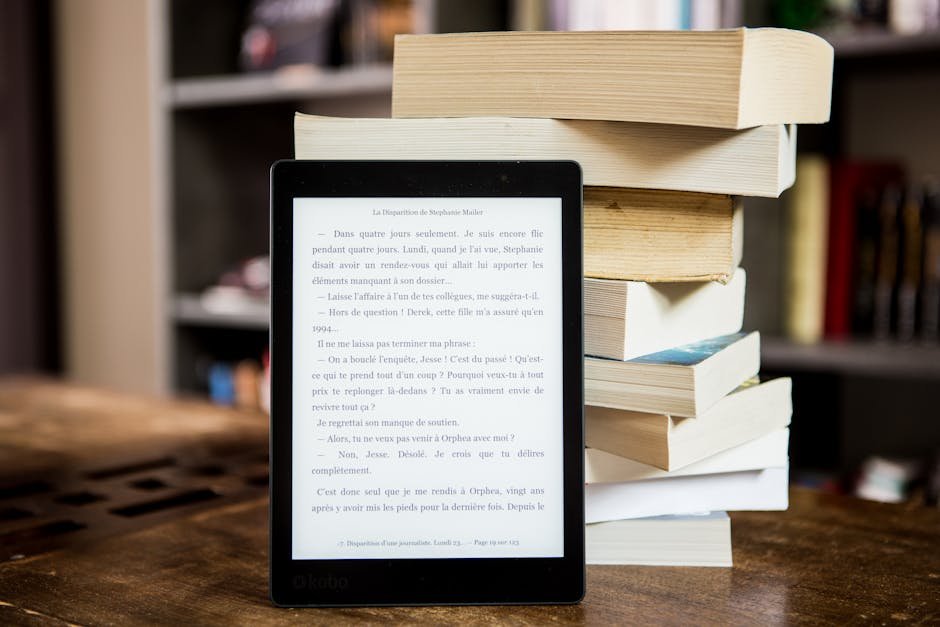
Growth of Alternative Devices: Companies like Barnes & Noble and Kobo are introducing devices that blend traditional and digital reading experiences, effectively appealing to readers hesitant to embrace Amazon’s closed model. With e-book sales increasing by 25% year-over-year according to Statista, niche devices are set for a resurgence.
-
Shift Towards Subscription Models: As the digital reading market becomes saturated, retailers that adopt subscription-based models are likely to thrive. Companies that can offer value through bundling books, audiobooks, and additional reader services will find new revenue streams.
-
Demand for Customization: Consumers are increasingly attracted to personalized reading experiences. Companies will need to innovate continuously, tailoring offerings based on user preferences whether through curated book lists or adaptive reading technologies.
As we move into the next year, companies focused on innovation and customer engagement will have the strongest opportunity to recapture the reader’s loyalty that Amazon risks losing.
FAQ
Q: What are the primary features of the Kindle?
A: The Kindle features e-ink technology for a reading experience similar to paper, adjustable front lighting, and access to Amazon’s vast e-book library. It aims to provide readers with a portable solution for accessing thousands of titles.
Q: How do I upgrade my old Kindle?
A: To upgrade your Kindle, navigate to the settings menu and check for software updates. Ensure your device is charged and connected to Wi-Fi for the upgrade process to complete successfully.
Q: How does Kindle Unlimited compare to other subscription services?
A: Kindle Unlimited provides access to over a million e-books for a monthly fee, making it a valuable option for avid readers. Unlike some other services, it focuses on e-books rather than audiobooks or physical books.
Q: What is the cost of Kindle Unlimited?
A: Kindle Unlimited costs $9.99 per month, allowing subscribers to access a vast library of e-books and audiobooks. This pricing structure appeals to users who regularly consume multiple titles.
Q: How can I integrate audiobooks into my reading experience with Kindle?
A: You can integrate audiobooks on your Kindle by using the Audible app, which allows for seamless switching between reading and listening. This feature enhances the overall reading experience, catering to diverse preferences.
Q: What are common mistakes when choosing an e-reader?
A: A common mistake is prioritizing brand over features, such as ignoring aspects like battery life and ecosystem compatibility. Many users also overlook the importance of open platforms that offer more flexibility in content access.
Q: What is the future trend for e-readers?
A: The future trend for e-readers includes a shift towards more personalized and adaptive reading experiences. Companies are likely to develop devices that cater to specific user preferences and habits.
Q: What is the best tool for tracking e-book sales?
A: The best tool for tracking e-book sales is Marketing Blocks, which provides insights into marketing efforts. It helps book retailers optimize their strategies for better sales performance.