
By Alex Morgan, Senior AI Tools Analyst
Last updated: April 21, 2026
EU Mandates Replaceable Batteries by 2027: A Game Changer for Tech Giants
Over 1.5 billion smartphones are sold annually. When the European Union mandated that all phones sold in its member countries must feature replaceable batteries by 2027, it didn’t just throw a wrench into the works; it fundamentally altered the lifecycle of the smartphone industry. Manufacturers are now required to rethink design protocols, sustainability initiatives, and even their competitive strategies in a market increasingly defined by eco-conscious consumers. While many analysts celebrating this regulation laud its consumer benefits, they miss a potentially darker undercurrent: the regulations could inadvertently fortify existing tech monopolies, hampering innovation from agile smaller companies unable to navigate the new terrain.
What Are Replaceable Batteries?
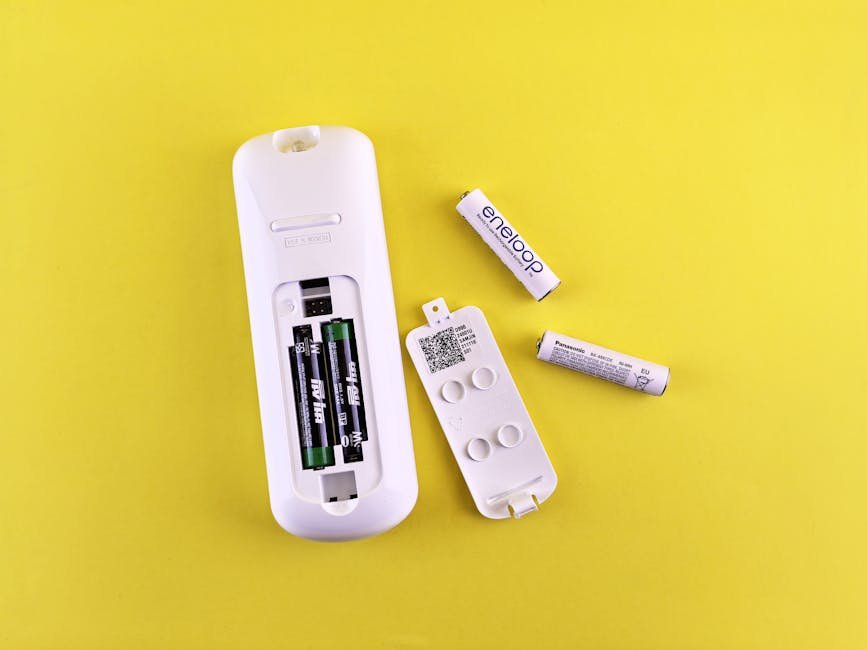
Replaceable batteries refer to power sources in electronic devices, particularly smartphones, designed for easy removal and replacement without specialized tools. This requirement allows consumers to swap out old batteries, prolonging product longevity and reducing electronic waste. In an era where sustainability matters, this regulation holds significant weight, especially as half of EU consumers — 50% according to Eurobarometer — believe electronics should be easier to repair.
An analogy can help clarify this: imagine a car with a modular engine that allows drivers to replace individual parts without requiring a mechanic. Just like that car, smartphones with replaceable batteries could dramatically enhance longevity and lower waste.
How Replaceable Batteries Work in Practice
The EU’s push towards replaceable batteries isn’t entirely unprecedented. Companies have already found success with modular designs.
-
Fairphone: This Dutch brand has been a pioneer in ethical, sustainable smartphones. They already offer models where consumers can individually replace batteries, modules, and other components. Fairphone’s commitment to sustainability directly aligns with the EU’s mandate, potentially allowing it to gain a stronger foothold in a market fixated on longevity and repairability.
-
Samsung: As a frontrunner in the removable battery domain, Samsung plans to capitalize on the new regulation. Historically, Samsung has integrated removable batteries into many smartphone models, making them a go-to for consumers who prize convenience and sustainability. In 2024, they reported that 25% of their product lines utilize easily replaceable batteries, paving the way for compliance with the new EU law.
-
Apple: The tech behemoth has a notorious reputation for its closed ecosystem and design constraints that typically eschew repairability. However, Apple will now be forced to redesign key models — potentially including its flagship iPhone — to align with this mandate. Failing to comply could mean losing a significant percentage of a lucrative market, threatening its premium pricing structure.
-
Xiaomi: The Chinese gadget maker had barely dipped its toes into this concept. However, with the EU regulations fast approaching, they’ve announced plans to develop models that feature modular, easily replaceable batteries. A strategic push in this direction could help Xiaomi capture a burgeoning market segment focused on sustainability.
Top Tools and Solutions
Companies looking to align with the EU’s mandate will need to consider various tools and solutions for battery design, recycling, and performance monitoring:
KrispCall — A cloud phone system for modern businesses.
BookYourData — A B2B data and lead generation platform.
Databox — A business analytics and KPI dashboard platform.
Leadpages — A landing page builder and lead generation tool.
Kartra — An all-in-one online business platform.
Uniqode — A QR code generator and digital business card platform.
These tools can serve as vital resources as companies adapt to the new landscape, ensuring compliance while maximizing sustainability.
Common Mistakes and What to Avoid
Navigating the transition to replaceable batteries is tricky, and several companies have stumbled in the past by misreading consumer sentiments or downplaying repairability.
-
Ignoring Consumer Demand: Companies like Motorola saw their line of modular phones fail in the market simply because they underestimated user preferences for form and function. Users responded poorly to devices that bogged down the experience with unnecessary features at the cost of utility.
-
Inadequate Infrastructure: In 2018, HTC attempted to enter the DIY smartphone market, only to falter due to a lack of available parts and convoluted repair processes. The company’s failure to prioritize a streamlined repair experience alienated potential eco-conscious buyers.
-
Lack of Marketing: One major player, LG, has launched smartphones with replaceable batteries but failed to market this unique selling point effectively. As a result, customers remain unaware of options that challenge competitors’ devices. The absence of consumer education directly undermined potential market share.
Where This Is Heading
The EU’s mandate represents a turning point. Here’s where trends are heading:
-
Sustainability as a Forefront Strategy: Analysts predict that by 2025, manufacturers will spend upwards of $10 billion in investments related to battery recycling technologies. Companies like Tesla that innovate in this space stand to gain, tapping into the green consumer sentiment that drives purchasing behaviors.
-
Consumer Rights Legislation: Firms can expect to navigate increasing legislation favoring consumer repair rights. Research by Gartner indicates that by 2026, at least 50% of global markets will adopt similar mandates inspired by the EU, pushing towards widespread repairability as an industry standard.
-
Vertical Integration: To mitigate the costs associated with compliance, larger companies may increasingly acquire smaller players focused on repairability. For instance, if Samsung practices vertical integration by acquiring specialized firms like Fairphone, it could stifle independent innovation while solidifying its dominance.
In the next 12 months, tech giants will scramble not only to adhere to these regulations but also to respond to shifting market dynamics.
FAQ
Q: What are replaceable batteries?
A: Replaceable batteries are power sources in electronic devices designed for easy removal and replacement. This feature promotes device longevity while reducing electronic waste.
Q: How do I replace a smartphone battery?
A: To replace a smartphone battery, you usually need to remove the back cover, disconnect the old battery, and install the new one. Ensure you follow the manufacturer’s instructions for optimal results.
Q: Are replaceable batteries better than built-in ones?
A: Yes, replaceable batteries allow for easier maintenance and longevity of devices. Built-in batteries often require professional repair or replacement, making them less consumer-friendly.
Q: What is the cost of replacing smartphone batteries?
A: The cost can vary widely based on the device model and whether you do it yourself or seek professional help. DIY kits can cost as little as $20, while professional services may range from $50 to $100.
Q: How can manufacturers implement replaceable battery designs?
A: Manufacturers can design smartphones with modular components, allowing consumers to easily swap out batteries. This requires initial investment in R&D and adherence to EU guidelines.
Q: What common mistakes do companies make with replaceable batteries?
A: Companies often underestimate consumer demand for ease of use and fail to market their products effectively. Inadequate support for repairability can also hinder adoption.
Q: What is the future trend for smartphones with replaceable batteries?
A: Trends indicate a significant shift towards sustainability, requiring more manufacturers to adopt replaceable battery designs to meet regulatory standards and consumer expectations.
Q: What tools are best for businesses transitioning to replaceable batteries?
A: Businesses should consider cloud phone systems, data generation platforms, and analytics tools to streamline operations as they comply with new battery regulations.