
By Alex Morgan, Senior AI Tools Analyst
Last updated: May 29, 2026
San Francisco Startup Accused of Testing Robots in Airbnbs, Causing Damage
A San Francisco startup has landed itself in hot water, facing accusations of testing autonomous robots in Airbnb properties, leading to property damage valued at around $50,000 across various listings. This situation isn’t merely about broken furniture or dented decor; it highlights profound ethical and accountability concerns regarding artificial intelligence (AI) technologies in personal spaces. Amid a media frenzy fixated on sensational damage narratives, the fundamental questions about responsible AI deployment are being overshadowed.
As of 2023, the AI robotics market is projected to surge past $100 billion, according to Gartner. This explosive growth underscores that the fast-paced integration of smart devices in everyday environments is not just a passing trend but rather a permanent shift in both personal and commercial spaces. Understanding AI ethics—particularly in contexts like hospitality—has become crucial for tech professionals, founders, and property owners alike.
For those looking to streamline tech-driven marketing strategies, consider checking out Marketing Blocks, an AI-powered content creation platform that is reshaping how companies approach their market presence.
What Is AI Ethics in the Context of Hospitality?
AI ethics refers to a set of principles guiding the development and deployment of artificial intelligence technologies, ensuring they act responsibly and transparently, particularly when involved in sensitive environments. In hospitality, this is increasingly pertinent as property owners and renters incorporate more smart home solutions into their spaces.
Imagine a scenario akin to a self-driving car navigating a city. The car must be programmed to navigate safely while respecting the rights of pedestrians and other drivers. Similarly, AI in personal properties must operate within ethical boundaries, respecting homeowner rights and personal privacy.
How AI Works in Practice Within Hospitality
-
Robot Vacuums in Airbnb: One practical application involves integrating robot vacuums into rental properties. Companies like iRobot have seen substantial uptake, with users reporting increased cleanliness and guest satisfaction. This is crucial for hosts aiming to maintain high ratings on platforms like Airbnb.
-
Smart Home Systems: Amazon’s Alexa and Google Home enable hosts to automate various tasks, such as check-ins and security monitoring. Properties equipped with these technologies have seen up to 20% higher occupancy rates, as guests increasingly seek out smart home experiences. For deeper insights on similar integrations, check out Companies Adopt LLM Usage Metrics.
-
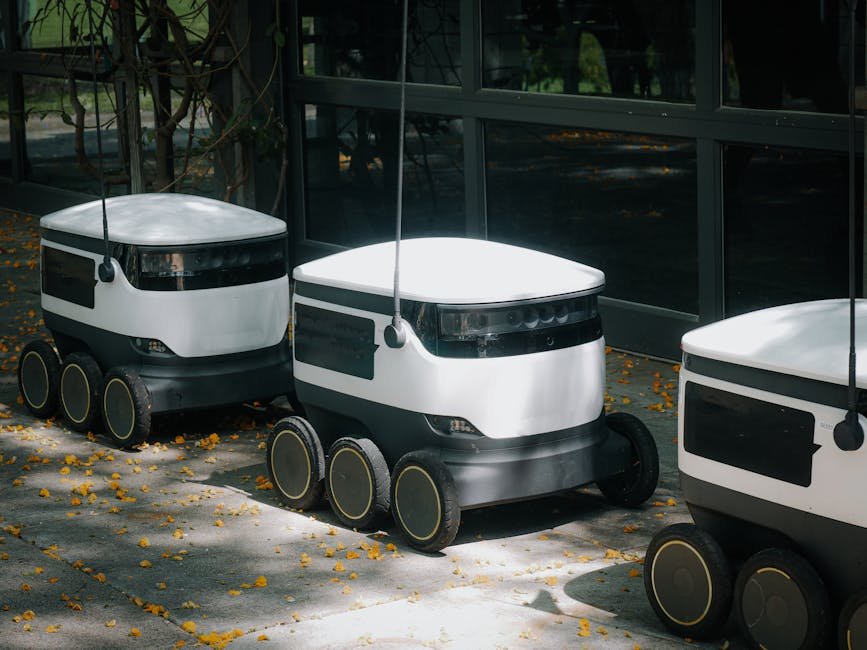
Room Service Automation: Companies like Relay Robotics are rolling out delivery robots in hotels to enhance room service efficiency. These robots not only streamline operations but can also reduce labor costs by upwards of 30% annually.
-
AI-Powered Surveillance: Some properties use AI-driven surveillance cameras for security. A case study from a New York City hotel revealed that implementing such systems resulted in a 40% drop in incidents, underscoring the dual role of AI in safety and risk management. For more on AI in security, explore Anthropic’s Cryptanalysis Breakthrough.
Top Tools and Solutions
The rapid evolution of AI in property management necessitates robust tools to support these technologies:
- Marketing Blocks — An AI-powered marketing content creation platform that helps businesses streamline their marketing strategies with efficiency.
- AWeber — Professional email marketing and automation platform with AI-powered email writing.
- Increff — Inventory and warehouse management platform for property owners managing resources effectively.
- Survicate — Customer feedback and survey platform that assists in gathering guest insights to improve services.
- Spocket — Dropshipping platform connecting retailers with suppliers for property-related needs.
- Leadpages — Landing page builder and lead generation tool tailored for enhancing property marketing.
Common Mistakes and What to Avoid
As property owners embrace smart technologies, several missteps can lead to significant repercussions:
-
Neglecting Tenant Consent: Failing to inform guests about surveillance cameras or smart devices can lead to legal challenges. A notable case involved a New Jersey Airbnb that faced lawsuits for not disclosing such information, resulting in costly settlements and damaged reputation.
-
Inadequate Maintenance: Property owners who do not routinely inspect and maintain smart devices may face operational failures. A Chicago hotel experienced malfunctions leading to unsatisfactory guest reviews, which significantly impacted its occupancy rates. To understand the tech landscape better, consider the trends discussed in 2026’s Top 6 AI Paradigms.
-
Lack of Legal Knowledge: Owners must familiarize themselves with local laws regarding technology usage. A California homeowner found themselves liable for damages when their robotic vacuum caused a fire on the property, as they were unaware of their insurance limitations regarding robotic devices.
Where This Is Heading
As AI technologies permeate personal and professional spaces, several key trends are emerging:
-
Regulatory Framework Development: Starting in 2024, expect regulatory bodies to establish clearer guidelines around AI usage in personal environments. Jessica Liu, a legal analyst specializing in tech and property law, states, “We need to establish clear guidelines on how technology interfaces with personal spaces to protect both consumers and innovation.”
-
Increased Consumer Awareness: Consumers are becoming increasingly mindful of their rights regarding smart technology use in rental properties. By 2025, approximately 30% of homes in the U.S. are expected to become smart homes, according to Statista.
-
Insurance Evolution: Insurance providers are beginning to create specialized products to cover AI-related incidents. By 2026, emerging lines of policy specifically addressing robotic damage and liability will likely become commonplace. For related insights, you might find 65% of Workers Trust AI More Than Their Own Judgment useful.
The implications for tech professionals and property owners are profound: prepare for a new landscape where liability, ethics, and innovative technology will intersect in ways previously unimagined.
FAQ
Q: What is AI ethics in property management?
A: AI ethics refers to the principles guiding the development and deployment of artificial intelligence technologies, ensuring they act responsibly and transparently. This is especially important in property management, where ethical use can protect both guests and owners.
Q: How can I integrate AI into my Airbnb?
A: Integrating AI into your Airbnb can be done through smart home devices, robot vacuums, and AI-powered security systems. These technologies can enhance guest experience and streamline operations.
Q: What are the differences between AI and traditional technology in hospitality?
A: Traditional technology often relies on manual operation, whereas AI systems can automate tasks, analyze data in real-time, and improve guest interactions. This efficiency leads to enhanced service quality and operational savings.
Q: How much does AI implementation cost for property management?
A: The cost of implementing AI in property management varies widely depending on the technology deployed and scale of operation. Smaller properties may see upfront costs of a few thousand dollars, while larger establishments may invest in tens of thousands.
Q: What advanced AI features can enhance hospitality services?
A: Advanced AI features include predictive analytics for guest preferences, AI-driven personalization for marketing outreach, and automated guest interactions through chatbots and voice assistants.
Q: What common mistakes should I avoid when using AI in my property?
A: Common mistakes include failing to disclose smart device usage to tenants, neglecting proper maintenance of AI systems, and not understanding applicable legal regulations. Awareness and transparency can significantly mitigate risks.
Q: What are the future trends in AI for hospitality?
A: Future trends in AI for hospitality include increasing automation in guest services, further advancements in smart home technologies, and the development of regulations that govern AI use in personal settings.
Q: What tools are best for managing AI in property rental?
A: Some of the best tools for managing AI in property rentals include AWeber for marketing automation and Increff for inventory management, both of which streamline operations and enhance engagement with guests.